Training content
Creating professional profiles on social media
Nowadays, having a professional profile on social media platforms such as LinkedIn, Facebook and Twitter is crucial for building a personal brand and acquiring new career opportunities. In this section of the module, you will have the opportunity to explore the ins and outs of creating and optimising your professional social media profile to realise the full potential of these platforms.
The first step is to understand the essence of a professional profile. It is a showcase of competencies, experience and achievements that can attract the attention of potential employers or clients. This section will discuss the key components of a profile that need to be properly completed to create an attractive and compliant presentation of their skills.
Creating a professional profile on social media platforms such as LinkedIn, Facebook, and Twitter is increasingly important in today's digital age. These profiles serve as a digital representation of your professional identity, allowing you to showcase your skills, experience, and achievements to potential employers, clients, and collaborators.
Selecting the appropriate social media platforms for your professional presence requires careful consideration of various factors to ensure you're effectively reaching your intended audience and achieving your career goals. LinkedIn stands out as the leading platform for professionals due to its specialized focus on career development, networking, and industry-related content sharing.
LinkedIn offers a plethora of features tailored specifically for professionals. Its detailed profiles allow you to showcase your work experience, skills, and accomplishments comprehensively. Moreover, the platform provides ample opportunities for networking through connections, groups, and messaging functionalities, enabling you to establish meaningful professional relationships and expand your network. Additionally, LinkedIn's content-sharing capabilities allow you to demonstrate your expertise by sharing articles, insights, and updates relevant to your field, positioning yourself as a thought leader within your industry.
However, while LinkedIn may be the primary platform for many professionals, it's essential to assess your industry and personal preferences to determine whether other platforms could complement your professional objectives. For instance, Twitter's fast-paced nature makes it suitable for engaging in real-time conversations, industry news, and networking with professionals worldwide. Its character limit encourages concise and impactful communication, making it ideal for sharing quick insights or updates relevant to your field.
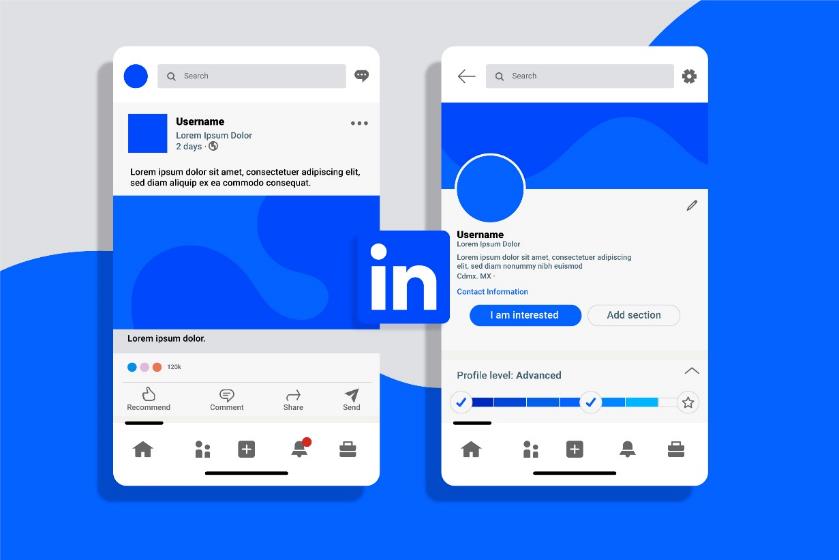
Source: freepik
Instagram, with its emphasis on visual content, storytelling, and creative expression, appeals to professionals in visually-driven industries such as design, photography, or fashion. By leveraging Instagram's visual features such as images, videos, and stories, professionals can showcase their portfolio, projects, and behind-the-scenes insights, thereby attracting potential clients or collaborators.
Similarly, Facebook's extensive user base and diverse groups offer opportunities for professionals to connect with like-minded individuals, join industry-specific communities, and participate in relevant discussions or events. Whether through business pages, groups, or personal profiles, Facebook enables professionals to foster relationships, share knowledge, and promote their professional endeavors effectively.
Ultimately, the key to selecting the right social media platforms lies in understanding your industry dynamics, target audience preferences, and the unique features offered by each platform. By strategically choosing platforms that align with your professional goals and provide avenues for showcasing your skills and expertise, you can enhance your professional visibility, expand your network, and capitalize on social media's potential to advance your career.
SCREEN 2
The next steps in creating a professional profile are as follows:
Update the information in the profile: The information in your profile should be up-to-date and comprehensive. Include a professional photo, a catchy headline and a summary that highlights your unique value proposition. Regularly update your profile with any changes to your employment, skills or achievements to ensure accuracy and relevance. Use keywords related to your industry to increase your chances of being found by recruiters and other professionals.
Be consistent and authentic: Be consistent in all your professional profiles, including your CV and cover letter. Use the same name, contact details and style to avoid confusion. Authenticity is key; refrain from embellishing or misrepresenting your qualifications or experience. Also, maintain a professional attitude in your interactions and avoid publishing content that may compromise your professional image.
Share valuable content: Position yourself as a thought leader in your field by sharing valuable content related to your industry or niche. This can be articles, videos or original content such as blog posts or presentations. Sharing insightful content demonstrates your expertise, engages your network and fosters meaningful conversations with other professionals.
Engage with your network: Actively engage with your network by participating in discussions, liking, commenting and sharing relevant posts. Join industry-related groups or forums to expand your network and contribute to meaningful conversations. Engaging others not only strengthens professional relationships, but also increases visibility and opportunities within the industry.
By following these steps and optimising your professional social media profiles, you can effectively build your personal brand, expand your professional network and open doors to new career opportunities. Remember to regularly review and update your profiles to reflect your evolving skills and achievements, ensuring you remain relevant and competitive in your field.

Source: freepik
Important elements in today's digital environment is the first impression that is shaped by what we see online, proper social media profile management is becoming an integral part of career building.
So the important steps to creating a professional image on social media are as follows.
The first step is to take care of the profile picture. It is what constitutes the first contact with the user. It should be clear, professional and reflect your industry or profession. Selfies and non-professional photos should be avoided to ensure a consistent and professional image.
Next, pay attention to the headline or profile description. A short description should accurately describe your professional competence or career goal. It can be a maxim or motto that emphasises your professionalism and sets you apart from other users.
In the "About me" section, you should outline your experience, skills and professional goals. It is important to keep it concise and readable so that potential employers or contractors can quickly recognise your competences and achievements.
Your work experience should be fairly presented by listing your previous and current jobs with a brief description of your responsibilities and achievements. It is important that the information is up-to-date and consistent with your career path.
Education and qualifications are important elements that build your professional credibility. It is worth listing degrees, certificates, courses and other educational achievements relevant to your career.
Skills and competencies are a key point in building your professional profile. You should indicate the key skills you have and use recommendations from other users to confirm your competence.
Publications and projects are a great way to document your expertise in a particular field. Sharing your publications, presentations or participation in projects allows you to show your achievements and commitment to the industry.
Collecting recommendations from colleagues, clients or superiors is another important element. Recommendations and references increase your credibility in the eyes of other users and potential employers.
Regular interaction and engagement in the professional community is key to building relationships and increasing your visibility in the industry. Regularly sharing content related to your field, commenting on and responding to other users' posts, and actively participating in discussions all contribute to building your authority and exposure on social media.
The final step is to regularly monitor and update your profile. By ensuring that your information is always up-to-date and professional, you maintain a consistent and credible personal image.
A professional social media profile is a key tool when looking for job opportunities or promoting yourself. Therefore, it is worth taking the time and attention to carefully create and manage it.
SCREEN 3
The next key element in the process of creating a personal professional profile is precisely. With proper optimisation, we can increase the visibility and attractiveness of our profile to potential employers or clients. In this section, we will discuss techniques to achieve this.
Market analysis:
The first step in optimising a professional profile is to conduct a market analysis. We need to identify key keywords and trends that are relevant to our industry. This will allow us to adapt the content on our profile to make it more appealing to our target audience.
Content optimisation:
Another important aspect is to optimise the content on our profile. We need to ensure that our descriptions, work experience and skills are clear, concise and attractive to both search engine algorithms and those viewing our profile. It is also important to update our information regularly so that our profile is always up to date.
Use of multimedia:
Multimedia, such as photos, videos or infographics, can significantly enhance the message of our profile and increase its attractiveness. Therefore, it is advisable to use various forms of multimedia to stand out from the competition and attract the attention of potential employers or clients.
Networking:
Networking should not be forgotten either. The larger our network, the greater the visibility of our profile among potential employers or clients. Therefore, it is advisable to actively participate in topic groups, engage in discussions and make new professional contacts.
Monitoring and adaptation:
Last but not least, we should monitor the effectiveness of our profile and regularly adjust our strategy to achieve better results. Through monitoring, we will be able to track which activities are producing the best results and adjust our strategy on an ongoing basis.
By effectively using these optimisation techniques, we will be able to significantly increase the visibility and appeal of our professional profile on social media.

Source: freepik
Networking and activity on professional platforms
In today's connected world, professional networking has transcended physical boundaries and social media platforms have become powerful tools for making meaningful connections and supporting career development. Among these platforms, LinkedIn stands out as the cornerstone of professional networking. In this comprehensive overview, we delve into the basic skills and strategies for successfully navigating professional networking on social media, with a particular focus on LinkedIn. We explore how to find and connect with professionals in our industry and discuss techniques for maintaining an active online presence by engaging in discussions, commenting, liking and sharing valuable content.
The art of successful networking on social media platforms requires a multi-faceted approach and a repertoire of specialised skills. Thus, you need to learn the importance of optimising your LinkedIn profiles, creating compelling summaries and strategically showcasing your skills and achievements. In addition, you need to understand strategies for building and expanding your network, including sending personalised connection requests, using mutual connections to make introductions and harnessing the power of LinkedIn's advanced search filters to identify and connect with professionals in your industry.

Source: freepik
Here are some tips on how to use social media effectively for professional networking and career development:
1 Create a professional profile
Your social media profile serves as your online brand identity. Make sure it reflects your professional personality by using a clear, professional photo, creating a concise summary of your skills and experiences and highlighting your achievements. Maintain consistency across all the platforms you use.
2. be active and collaborate with others
Active participation is key to creating a solid online presence. Share relevant content, participate in discussions and comment on posts in your industry. Engaging with others helps to position you as a thought leader and expand your network. Joining industry groups and online communities further increases networking opportunities.
3. showcase your expertise
Social media offers a platform to demonstrate your knowledge by creating original content. Share insightful blog posts, videos or articles that highlight your knowledge and expertise. Also, share relevant industry news with commentary to demonstrate your understanding of current trends and developments.
4. network with industry influencers
Industry influencers can provide valuable networking opportunities. Connect with them, engage with their content and share their posts to establish relationships and increase your reach. Building relationships with influencers can open doors to new opportunities and collaborations in your field.
5. use hashtags
Hashtags are effective tools for increasing visibility and joining relevant conversations. Include industry-related hashtags in your posts to reach a wider audience and connect with people interested in your field. Engaging with popular hashtags can also increase your industry visibility.
6. maintain professionalism
Maintain a professional attitude at all times on social media. Avoid controversial or divisive content that may reflect badly on your personal brand. Use respectful language and tone in your interactions, remembering that your online presence is a reflection of your professional reputation.
7 Don't hesitate to seek help
When in doubt, do not hesitate to seek guidance or help from your online network. Whether you are looking for a job or advice on a particular topic, reaching out to your contacts can provide valuable insights and support. Remember to approach interactions with respect and gratitude for their time and expertise.
SCREEN 4
Understanding strategies for finding and connecting with professionals related to your own industry is a key aspect of career success in today's business environment. In today's global job market, building a solid network of professional contacts is not only helpful, but essential for career success.
One of the most important strategies in building a professional network is to actively participate in various industry events and conferences. Attending such events allows you to connect with professionals with similar interests and business areas. At conferences, you can meet new people, exchange ideas and establish lasting business relationships.
Another effective strategy is to use social media, especially the LinkedIn platform. LinkedIn allows professionals to network, share knowledge and participate in discussions with people with similar skills and professional experiences. Regularly updating your profile on LinkedIn and actively participating in topical discussions allows you to build industry recognition and make valuable contacts.
In addition, using industry groups and associations is also an effective strategy for building professional networks. Groups and associations bring together people with similar interests and professional activities, which provides an excellent opportunity to exchange experiences, gain knowledge and make new business contacts.
Participating in informational interviews is also an extremely important strategy for building professional networks. Such interviews allow you to gain valuable information about your profession or industry from experienced professionals. In addition, during an informational interview you can establish personal relationships with experienced experts in your field, which can open the way to new career opportunities.
Finally, offering help to other professionals within your professional network can also bring significant benefits. Sharing knowledge, providing professional advice or offering support on projects builds trust and enables you to build lasting business relationships.
Understanding and using a variety of strategies to network with industry professionals is a key part of career development. Actively attending industry events, using social media, participating in industry groups and associations, attending informational interviews and offering to help other professionals are just some of the effective strategies that can contribute to career success.

Source: freepik
SCREEN 5
Staying active online not only enables you to maintain relationships with other professionals, but also allows you to gain new knowledge, share your experiences and create new business opportunities. In this paper, I will broadly discuss techniques that can be used to effectively stay active online by participating in discussions, commenting, liking and sharing valuable content.
1. Choosing the right Community Platforms: Choosing the social media platform that best suits our professional goals and industry interests is key. Popular platforms such as LinkedIn, Twitter and Facebook offer a variety of opportunities to interact with other users to build relationships and make business connections.
2. Participation in Discussions: Active participation in discussions is one of the most effective methods of building online activity. Following thematic discussion groups, engaging in comments under other users' posts and actively participating in industry forum discussions allows you to exchange views, gain new knowledge and make valuable business contacts.
3. Commenting on Posts: Commenting on other users' posts is an important strategy for building online activity. Comments can cover a variety of topics, from expressing thanks for valuable content to asking questions and sharing your own experiences. However, it is crucial to remain professional and to ensure the quality and substance of comments.
4. Likes and Content Sharing: Likes and sharing valuable content are important tools for building online activity. By liking content, we express our appreciation for other users' content, which can contribute to establishing relationships and increasing our online visibility. Sharing valuable content, on the other hand, allows us to share interesting information with our contacts and build our own expertise in a particular field.
5. Continuous Improvement of Skills: It is also essential to constantly improve communication skills and acquire new knowledge of trends and news in our industry. Keeping up to date with the latest news and attending industry training enables us to remain competitive and build our online activity more effectively.
6. Building valuable relationships: Building valuable business relationships is also an extremely important aspect of online activity. Long-term relationships based on trust and mutual support are the key to business success. It is therefore worth investing time and effort in building lasting contacts and supporting other professionals in their activities.
Choosing the right social media platforms, actively participating in discussions, commenting, liking and sharing valuable content are key strategies to succeed in today's online business world.

Source: freepik
Online communication and remote collaboration
As technology advances, digital tools are becoming more commonplace, enabling remote working and communication regardless of location. In this training, we will focus on developing key skills related to online communication and remote collaboration that are essential for success in today's dynamic work environment.
Online communication skills
Having online communication skills is essential for effectively communicating information, solving problems and building relationships with clients and colleagues. In this topic you will gain knowledge of what skills to develop in this area:
Effective use of e-mail for professional communication:
Email is an integral communication tool in today's business world. To use it effectively, it is worth following a few key principles.
Firstly, clarity and conciseness are key. Messages should be clear and contain only the necessary information to avoid discouraging the recipient from reading the entire content.
Secondly, it is important to tailor content to the audience. Personalising content increases the effectiveness of communication, so it is worth considering what information is relevant to the person and how to communicate it.
The third important rule is to follow the rules of business etiquette. This means using appropriate polite formulas, ensuring correct language and avoiding an overly formal or informal tone, depending on the context of the situation.
Effective management of the inbox is also important. It is advisable to regularly check and respond to messages, avoid crowding the inbox with an excess of unread emails and use filters and categories to easily find important messages.
Last but not least, respond to correspondence in a timely manner. Time is of the essence in business, so it is important to respond to messages in the shortest possible time, which shows professionalism and commitment to the business relationship.

Source: Freepik
Use of virtual meeting platforms for remote collaboration
Virtual meeting platforms are an integral tool to enable effective communication and collaboration between teams, clients and business partners, regardless of their geographical location. To get the most out of them, it is essential to follow a few key principles.
Choosing the right platform:
In the first step, it is necessary to make the right choice of virtual meeting platform that best suits the needs and requirements of the organisation. There are many options available, such as Zoom, Microsoft Teams, Google Meet or Skype, each of which has its own unique features and capabilities. It is crucial to understand the objectives of the meeting and the preferences of the users in order to select a platform that best meets the needs of all participants.
The next step is to effectively plan and organise meetings on virtual platforms. You should become familiar with the various functions available on the platforms, such as scheduling meetings, sending invitations, setting up notifications and creating a meeting agenda.
During virtual meetings, it is important to conduct them in a clear and organised manner. Participants should be familiar with functions such as screen sharing, using built-in drawing or selection tools, and modulating voice and speech rate.
Effective meeting management is key to meeting success. During meetings, participants should control the order of speakers, moderate the discussion, collect feedback and ensure the active participation of all participants. At the end of the meeting, it is important to conduct an analysis of the meeting and collect feedback from participants.
By mastering these skills, everyone will be ready to collaborate effectively remotely and use the potential of virtual meeting platforms to communicate effectively and achieve business goals.
Screen 6
Nowadays it is also very important to be able to work remotely when hiring, so self-discipline and motivation are important factors for successful remote working. So remote workers need to be internally motivated without traditional office structures and direct supervision.
It is important to understand that effective time management and productivity in remote working requires certain key elements. Setting clear goals (SMART), i.e. specific, measurable, achievable, relevant and time-bound objectives, is key to maintaining direction and motivation. Without clear goals, it is difficult to focus on relevant tasks and achieve success in long-term projects.
Besides, a structured routine plays an important role in effective time management. A daily routine that mimics the traditional office environment helps maintain a professional mindset and separates work from personal time. A structured working day contributes to better organisation, efficiency and work-life balance.
The importance of a dedicated place to work cannot be overlooked either. Choosing a specific space in the home dedicated solely to work helps the brain switch into work mode, increasing focus and productivity. A work environment free of distractions is key to successfully completing tasks and projects.
Ultimately, rewarding oneself for achievements is an important element of motivation and self-discipline. A reward system for completing tasks or reaching milestones helps build positive habits and encourages people to continue their efforts even in the face of difficulties. Positive reinforcement helps to keep people motivated and satisfied with their achievements.
These four elements work together to create a comprehensive time management and productivity system for remote working that allows you to use your time effectively and achieve your career goals. Therefore, it is worth incorporating them into your daily remote working practices to achieve success in your future work.

Source: freepik
Creation and publication of valuable content
In today's hyper-connected world, the ability to create and share valuable content has become a cornerstone of success in the job market. Whether you want to increase your employability, advance your career or become an expert in your field, mastering the art of content creation is essential.
In this content, we'll delve into the intricacies of creating compelling content that not only captures your audience's attention, but also showcases your unique voice and expertise. From understanding the nuances of audience targeting to applying promotional strategies, you'll gain practical insights and hands-on techniques for navigating the digital landscape with confidence and panache.
Whatever your background or level of experience, we aim to equip you with the skills and knowledge you need to thrive in the competitive world of online content creation.
Whatever your background or level of experience, we aim to equip you with the skills and knowledge you need to thrive in the competitive world of online content creation.
One of the key aspects of creating valuable content is being able to identify and understand our target audience. Learn how to accurately identify those who are the audience of our content so that we can better tailor our messages to their needs, interests and expectations. Knowing our audience will allow us to create content that resonates with their needs and piques their interest.
The process of creating valuable content requires a solid plan and strategy. Learn the key aspects of content planning so that we can effectively align our messages with our goals and our brand objectives. Learning about the content planning process will allow us to develop consistent and effective communication strategies that will guide us towards achieving our business goals and building a strong online presence.
In today's digital age, people can showcase their skills, personality and values on various online platforms. One way to achieve this is through content creation. Content creation can help build a personal brand and have an impact on marketing. Here's how:
Building a distinctive personal brand – Being yourself — by creating content, you can show your true self and create a personal brand that people can identify with. Showcasing your expertise - By creating valuable content in a specific area, you can establish yourself as an expert, which will help build your personal brand.
Engaging and connecting with the audience - Telling your story - Content creation allows you to tell your story in a way that helps you better connect with your audience. Two-way communication - Social media allows you to interact directly with your audience and build a community around your personal brand.
Engaging and connecting with the audience – Being consistent — regular content creation helps you to establish yourself as a credible and trustworthy person. Create quality content - by creating quality content, you can strengthen your expertise and build credibility.
Use of different types of content - Diversity - By using different types of content such as articles, videos, podcasts and visual content, you can cater to different audience preferences. Being on multiple platforms - By being on different platforms, you increase your visibility and accessibility, which helps build your personal brand.
Cooperation with brands - Brands want to work with people who have a strong personal brand. By creating content, you can become an attractive proposition for brands looking for influencers. Reach a wider audience - by creating content, you can build a loyal audience that can be a valuable acquisition for marketing campaigns.
Measurement and adaptation - Analyse performance - content creation platforms provide analytics tools to help measure engagement, reach and audience demographics, allowing you to adjust your strategy based on the data. Continuous improvement - based on data, you can continuously improve your content creation and personal branding efforts.
As you can see, creating valuable content is a multi-faceted process that requires consideration of a variety of factors, such as understanding your audience, personal branding and performance analysis. However, with the right strategies in place, you can effectively succeed in the world of online content creation.

Source: Freepik
Screen 7
Strengthen your personal brand through effective storytelling: Practical tips.
Nowadays, having a personal brand that stands out is essential for professional success. One of the key tools for building such a brand is effective storytelling. It's about sharing your professional journey in a way that resonates with your audience. Here are some practical tips to help you hone your storytelling skills:
Know your purpose and values: Before you start telling your story, understand what your career goals are and what values drive you. This will help you create a coherent narrative to guide your personal brand.
Identify important moments: Review your professional journey and identify key moments, both successes and challenges. These moments will add depth and authenticity to your stories.
Be authentic: Share your successes, but also your moments of difficulty. Truthfulness in storytelling helps humanise your brand and build a deeper connection with your audience.
Communicate enthusiasm: Share your passion and enthusiasm for your field. Make an attempt to transfer this enthusiasm to your audience.
Experiment with formats: Don't limit yourself to just one content format. Try different formats, such as text, visuals or audio, to find what works best for your personal brand.
Define your uniqueness: Clearly define what sets you apart from other professionals in your industry. This will help define your professional identity
Maintain a consistent tone: Create a consistent identity in your content. Consistency of tone and style creates a recognisable voice for your brand.
Be open to feedback: Listen to your audience's feedback and adapt your narrative according to their reactions. Continuous improvement is the key to success.
Update your narrative: Regularly update your narrative to reflect your current achievements and professional development
Consider getting professional help: If you are struggling to create your story, consider getting professional help, such as a coach or copywriter.
Your personal brand and storytelling is an ongoing process. By following these tips, you can create a narrative that not only strengthens your personal brand, but also speaks to your audience.
Building a personal brand is not just a matter of promotion or self-presentation. It is a deeper process that requires an understanding of yourself, your values and your goals. It is a journey that leads to creating an authentic and recognisable image, both in the virtual and real world.
A key part of building a personal brand is not only creating valuable and engaging content, but also building lasting relationships with your audience. It's about engaging in interaction, responding to comments, collaborating with others and being regular in your content delivery.
Success in building a personal brand does not come immediately - it is long and systematic work. It also requires flexibility and adaptation to changing trends and environments. However, by delivering results, it not only helps you achieve professional success, but also builds valuable relationships and trust with your audience.
A personal brand attracts an audience with similar values and interests, and this facilitates the creation of professional and personal relationships. A strong personal brand can accelerate career development, increase the chances of promotion, taking on new projects and winning clients.
Importantly, a personal brand is not just a way to stand out in the job market or in business. It is a comprehensive management tool to create the way we are perceived.

Source: Freepik
Personal branding, or personal branding, is a process that focuses on defining and communicating one's identity, values and skills in order to strategically manage one's image and career in a way that stands out from others. To build a personal brand, you need to:
Identify the goal: Define what you want to achieve, be it career advancement, industry recognition or customer acquisition. It is also important to clarify your mission and vision and how you are perceived by others.
Identify qualities and skills: Carry out an analysis of one's strengths, passions and values to identify what sets one apart and defines one.
Identify the target audience: Understand who the audience is and what their needs are in order to be able to provide them with valuable content and assistance.
Increase online visibility: Update social media profiles, create valuable content and build a network of contacts both online and offline by attending industry events.
Ensure consistency of communication: Maintain consistent communication, in line with pre-defined objectives and values.
Monitor the strategy: Regularly assess the perception of your personal brand by using internet monitoring tools and collecting feedback, and be open to change and optimise actions.
A SWOT analysis, used in the context of a personal brand, is also a useful tool that enables you to identify strengths, weaknesses, opportunities and threats, making better use of your strengths and minimising your weaknesses. It is an ongoing process that requires authenticity, patience and systematic, thoughtful action.
A personal brand is not just a tool for enhancing one's capabilities or advancing one's career - it is, above all, an expression of authenticity and consistency, which are worth staying true to in the process of building yourself and your brand.
So in order to create your own brand, you should always keep in mind the elements that are most important when creating your own brand.
- Values: The core beliefs and principles that guide actions and decisions.
- Passions: Areas of interest, subjects on which the person is an expert.
- Skills: Acquired competences and knowledge that facilitate the achievement of goals.
- Personality: Characteristics, mode of communication and interaction with the audience.
- Image: Brand identity, dress style, promotional materials, photos, graphics, logos, etc.
- Networking: Relationships built in both professional and private settings.