Training content
SCREEN 1
Personal Brand Foundation / Identity Development
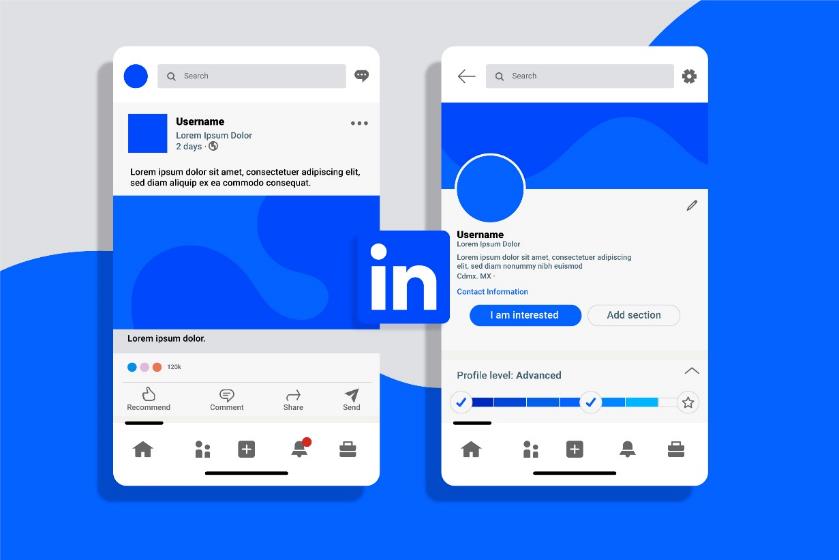
The role of personal branding—also known as professional identity management or reputation building—is one of the most essential and strategic activities in today's competitive landscape. Personal brand professionals ensure that their professional image is clear, compelling, and consistently communicated across all platforms. Their contribution has a direct impact on career advancement, business opportunities, and professional reputation.
Far from being simple self-promotion, personal branding requires strategic thinking, authentic communication, emotional intelligence, and strong organizational skills. It is also a highly relationship-oriented practice that demands consistency, transparency, and professionalism, even in challenging or high-pressure situations.
p>Whether employed in corporate environments, entrepreneurial ventures, or freelance careers, personal brand builders are the architects of their own professional success.Industry Outlook & Career Data
- According to LinkedIn's Global Talent Trends report, professionals with strong personal brands are 40% more likely to receive career opportunities.
- "Personal Branding Specialists" and "Digital Identity Managers" are projected to grow by 15-20% through 2030, creating thousands of new opportunities across industries.
- Harvard Business Review data shows that 70% of hiring managers research candidates online before making decisions—making digital presence crucial.
- This makes personal branding one of the most accessible and growth-oriented pathways for career advancement.
This practice is ideal for professionals at any level, career changers, or entrepreneurs, as it requires no formal qualifications but offers significant returns on investment through strategic development and consistent application.
Typical Daily Practices Include:
Personal brand builders follow strategic routines and must work consistently to build authentic professional presence while maintaining high standards of communication. They typically engage in 5-10 brand-building activities per day.
Their daily responsibilities include:
- Creating and curating content that reflects their expertise and values.
- Engaging with their professional network through meaningful interactions and conversations.
- Monitoring their online presence and reputation across multiple platforms.
- Developing and refining their unique value proposition and key messages.
- Building relationships with industry peers, mentors, and potential collaborators.
- Sharing insights, knowledge, and experiences that demonstrate thought leadership.
- Optimizing their digital profiles and ensuring consistency across all platforms.
These activities must be done authentically and strategically, as audiences can quickly detect insincerity or inconsistency.
Real-Life Example
Sarah, age 28, began building her personal brand while working as a marketing coordinator at a mid-sized company. Though she started with no social media presence, she consistently shared industry insights on LinkedIn and engaged with thought leaders in her field. After 18 months, she was approached by three different companies for senior marketing roles and eventually started her own consulting business. Sarah says:
"I've learned that personal branding isn't about being famous—it's about being known for the right things. Consistency and authenticity are everything."
Key Takeaway
A personal brand builder is a strategic professional. They play a vital role in creating opportunities, building credibility, and establishing expertise in their field. With growing demand for authentic thought leadership, this practice offers career security, professional growth, and personal fulfillment—especially for those willing to be consistent and authentic.
SCREEN 2
Understanding Your Personal Brand Foundation What Does Personal Brand Development Involve?
Introduction
Personal brand builders are responsible for creating a clear, authentic, and compelling professional identity that resonates with their target audience. Their work is not limited to social media posting—it involves strategic thinking, authentic storytelling, consistent communication, and relationship building. This practice demands more than technical skills—it requires emotional intelligence, self-awareness, and strategic communication abilities.
Personal brand builders are trusted professionals who often work independently but also collaborate with marketing teams, PR specialists, and industry networks. Their day starts with clear objectives, authentic content ideas, and a mission: deliver consistent, valuable, and engaging professional presence—across all platforms and interactions.
Key Responsibilities
- Define and articulate personal values: Identify core beliefs, strengths, and unique perspectives that differentiate from competitors.
- Develop unique value proposition: Create clear, compelling statements that communicate what they offer and why it matters.
- Conduct regular self-assessment: Evaluate strengths, weaknesses, opportunities, and threats to inform strategic decisions.
- Create content calendars: Plan and schedule consistent, valuable content across multiple platforms and channels.
- Monitor online presence: Track mentions, engagement, and reputation across all digital platforms and search results.
- Build strategic relationships: Connect with industry leaders, peers, and potential collaborators in meaningful ways.
- Engage authentically with audience: Respond to comments, participate in discussions, and provide value to their community.
- Maintain consistency across platforms: Ensure messaging, visual identity, and tone remain aligned across all touchpoints.
- Measure and analyze results: Track engagement, reach, and impact to refine and improve branding strategies.
Strategic Thinking Skills
Personal brand builders must think long-term and make decisions that align with their career goals and values.
Example: If someone wants to be known as a sustainability expert, they should consistently share content about environmental issues and engage with sustainability-focused communities.
Authentic Communication
Building trust requires genuine, transparent communication that reflects true personality and expertise.
Example: A personal brand builder might share both successes and challenges, showing vulnerability while maintaining professionalism.
Relationship Building & Networking
Personal branding is fundamentally about building meaningful professional relationships and providing value to others.
Example: Instead of just promoting their own content, a personal brand builder might share others' insights, offer help, and engage in genuine conversations.
Content Creation & Curation
Developing valuable, relevant content requires understanding audience needs and industry trends.
Example: A personal brand builder might create a weekly newsletter sharing industry insights, personal experiences, and actionable advice for their audience.
SCREEN 3
Digital Identity & Social Media Mastery
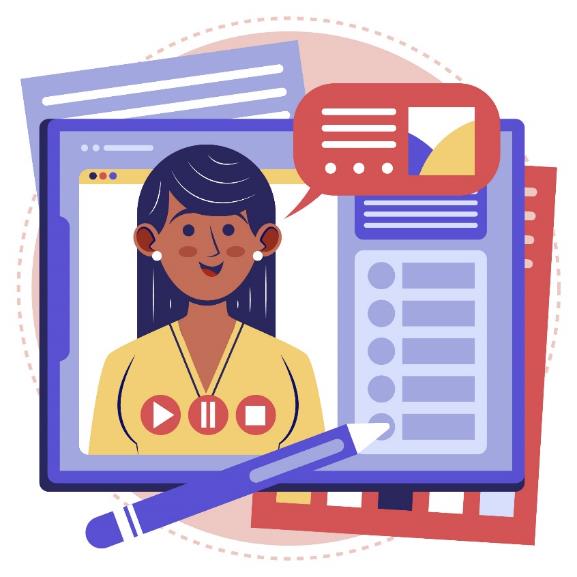
Personal brand builders rely on strategic use of digital platforms and social media tools to build authentic professional presence. Each day begins with intentional planning: reviewing analytics, engaging with their community, creating valuable content, and maintaining consistent messaging. Developing a systematic approach ensures that every interaction contributes to their overall brand strategy and professional goals.
Personal brand builders must be trained in platform-specific best practices and audience engagement strategies to maximize their impact while maintaining authenticity. They also adapt their approach depending on whether they're building awareness, establishing expertise, or nurturing existing relationships.
Platform-Specific Strategies
A well-developed digital presence requires understanding each platform's unique characteristics and audience expectations.
LinkedIn Optimization:
- Professional headline that clearly communicates value proposition and expertise.
- Comprehensive summary that tells their professional story and highlights key achievements.
- Regular posting of industry insights, thought leadership content, and professional updates.
- Strategic networking through meaningful connection requests and engagement with others' content.
Instagram Brand Building:
- Consistent visual identity that reflects personal brand values and aesthetic preferences.
- Strategic use of Stories, Reels, and posts to show both professional expertise and authentic
personality.
- Engagement with relevant hashtags and communities within their industry or area of expertise.
- Behind-the-scenes content that humanizes their brand while maintaining professionalism.
Content Creation Workflow
Each platform requires a structured approach:
- Audience Research & Analysis
Understand who they're trying to reach and what content resonates with their target audience.
"Know your audience better than they know themselves."
- Content Planning & Strategy
Develop content pillars and themes that align with brand values and audience interests.
- Creation & Optimization
Produce high-quality content that provides value while showcasing expertise and personality.
- Strategic Distribution
Share content at optimal times and across appropriate platforms for maximum reach and engagement.
- Community Engagement
Respond to comments, participate in discussions, and build relationships with audience members.
- Performance Analysis
Track metrics and analyze results to refine strategy and improve future content performance.
- Continuous Improvement
Use insights and feedback to evolve and strengthen personal brand messaging and approach.
Personal brand builders work within strategic timeframes. A typical content piece should be planned, created, and distributed within specific schedules depending on the platform and audience expectations. Consistency in timing and quality can significantly impact overall brand growth.
Example Content Creation Timeline:
- 15 min – Research trending topics and audience interests
- 30 min – Create written content or visual assets
- 10 min – Optimize for platform-specific requirements
- 15 min – Schedule and distribute across platforms
- 20 min – Engage with audience responses and comments
Digital Communication & Professional Presence
- Always maintain professional tone while showing authentic personality.
- Respond to comments and messages in a timely, thoughtful manner.
- Share others' content when it aligns with your brand values and provides value to your audience.
- Use platform-specific features effectively (hashtags, mentions, stories, etc.).
- Monitor your digital footprint regularly and address any inconsistencies or issues promptly.
SCREEN 4
Professional Communication and Digital Etiquette

A personal brand builder is not just a content creator—but also a professional communicator and relationship builder. While much of the work involves strategic planning and content creation, personal brand builders often interact directly with their audience, media contacts, and industry peers. Their communication style, responsiveness, and digital etiquette significantly influence their professional reputation and brand perception.
Audiences expect personal brand builders to be authentic, responsive, and valuable in their interactions. Knowing how to communicate effectively across different platforms, handle difficult situations, and maintain professional boundaries are just as important as creating compelling content.
Effective Digital Communication
A professional personal brand builder uses clear, authentic, and value-driven communication across all platforms.
Standard Professional Phrases
- "Thank you for sharing your perspective on this topic."
- "I appreciate you taking the time to engage with this content."
- "That's an excellent point—I hadn't considered that angle."
- "I'd love to hear more about your experience with this."
Digital Body Language
- Respond promptly to comments and messages (within 24-48 hours when possible).
- Use appropriate emojis and tone for the platform and audience.
- Acknowledge others' contributions and give credit where due.
- Maintain consistent voice and personality across all interactions.
Professional Boundaries and Authenticity
Balancing personal sharing with professional image requires clear boundaries.
- Share personal insights that relate to professional expertise or values.
- Avoid oversharing private details that don't serve your brand or audience.
- Be genuine about challenges and failures while maintaining professional credibility.
- Respect others' privacy and avoid sharing confidential information or gossip.
How to Handle Criticism or Negative Feedback
Example Situations:
Someone disagrees with your perspective:
Response: "I appreciate you sharing a different viewpoint. It's always valuable to consider multiple perspectives on complex topics."
Someone leaves a negative comment:
Response: "Thank you for your feedback. I'm always looking to improve and would welcome the opportunity to discuss this further."
Someone questions your expertise:
Response: "I understand your concern. Here's my background and experience in this area, and I'm always open to learning from others."
Professional Digital Conduct
- Always fact-check information before sharing or commenting.
- Avoid engaging in heated debates or controversial topics unless directly relevant to your expertise.
- Be respectful and professional, even when others are not.
- Take conversations offline when they become too detailed or personal for public platforms.
- Show appreciation for your audience and community regularly.
Cross-Cultural Communication
Personal brands often reach global audiences. Brand builders must be aware of and sensitive to cultural differences:
- Some cultures prefer more formal communication styles.
- Humor and casual language may not translate well across all cultures.
- Time zones affect response expectations and posting schedules.
SCREEN 5
Media Relations and Public Speaking
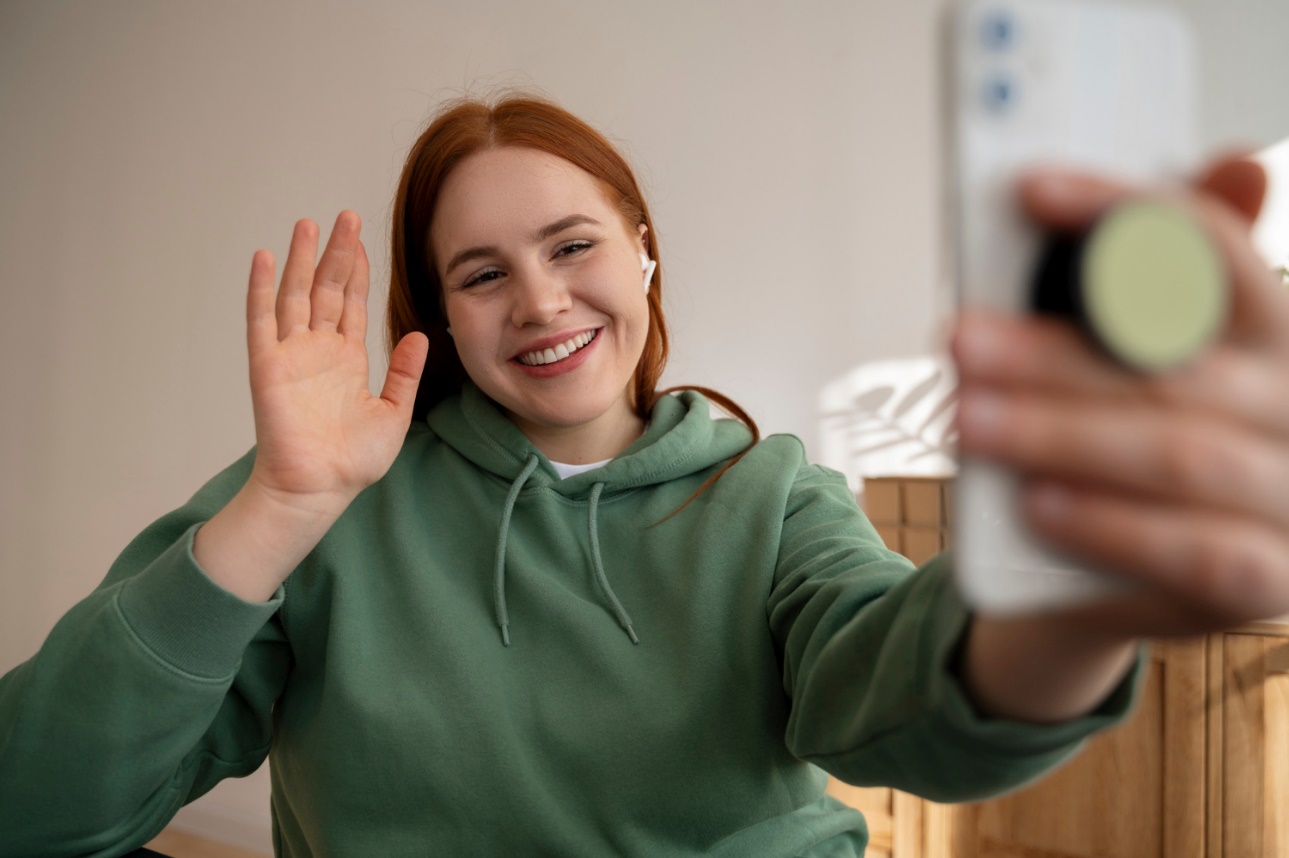
Personal brand builders perform communication-intensive work. They regularly engage in interviews, speaking opportunities, networking events, and media interactions. Over time, these activities can significantly impact their professional reputation and brand growth if not handled with proper preparation and professional communication skills.
This section focuses on how to communicate effectively with media, handle interviews professionally, and present ideas clearly in public speaking situations while maintaining authentic personal brand messaging.
Typical Opportunities in Personal Brand Building
- Podcast guest appearances and interview requests
- Speaking opportunities at conferences and industry events
- Media interviews and expert commentary requests
- Panel discussions and thought leadership forums
- Networking events and professional meetups
Preparing for Media Interactions
To handle media opportunities effectively, personal brand builders must develop clear messaging and professional communication skills.
Key Message Development
- Identify 3-5 core messages that align with your personal brand and expertise
- Prepare specific examples and stories that illustrate your key points
- Practice articulating your unique value proposition in 30 seconds or less
- Develop soundbites that are memorable and quotable
Interview Preparation Techniques
- Research the interviewer, publication, and typical audience beforehand
- Prepare answers to likely questions while remaining flexible and authentic
- Practice speaking clearly and at an appropriate pace for the medium
- Prepare questions to ask the interviewer to demonstrate engagement and expertise
Professional Speaking Skills
- Use storytelling to make complex concepts accessible and memorable
- Maintain eye contact and confident body language
- Speak with passion and authenticity about topics within your expertise
- Handle questions you don't know by being honest and offering to follow up
Crisis Communication and Reputation Management
Personal brand builders must be prepared to handle challenging situations professionally.
Responding to Negative Publicity
- Address issues quickly and transparently when appropriate
- Take responsibility for mistakes while focusing on solutions and learning
- Avoid defensive responses that can escalate situations
- Seek advice from trusted mentors or PR professionals when needed
Managing Online Reputation
- Monitor mentions of your name and brand across all platforms regularly
- Respond professionally to both positive and negative feedback
- Build a strong foundation of positive content that represents your expertise
- Document your achievements and positive feedback for future reference
Building Long-term Media Relationships
- Follow up with journalists and podcast hosts after appearances
- Share their content when it aligns with your brand and provides value
- Offer yourself as a resource for future stories within your area of expertise
- Maintain professional relationships even when not actively collaborating
SCREEN 6
Advanced Personal Branding Strategies
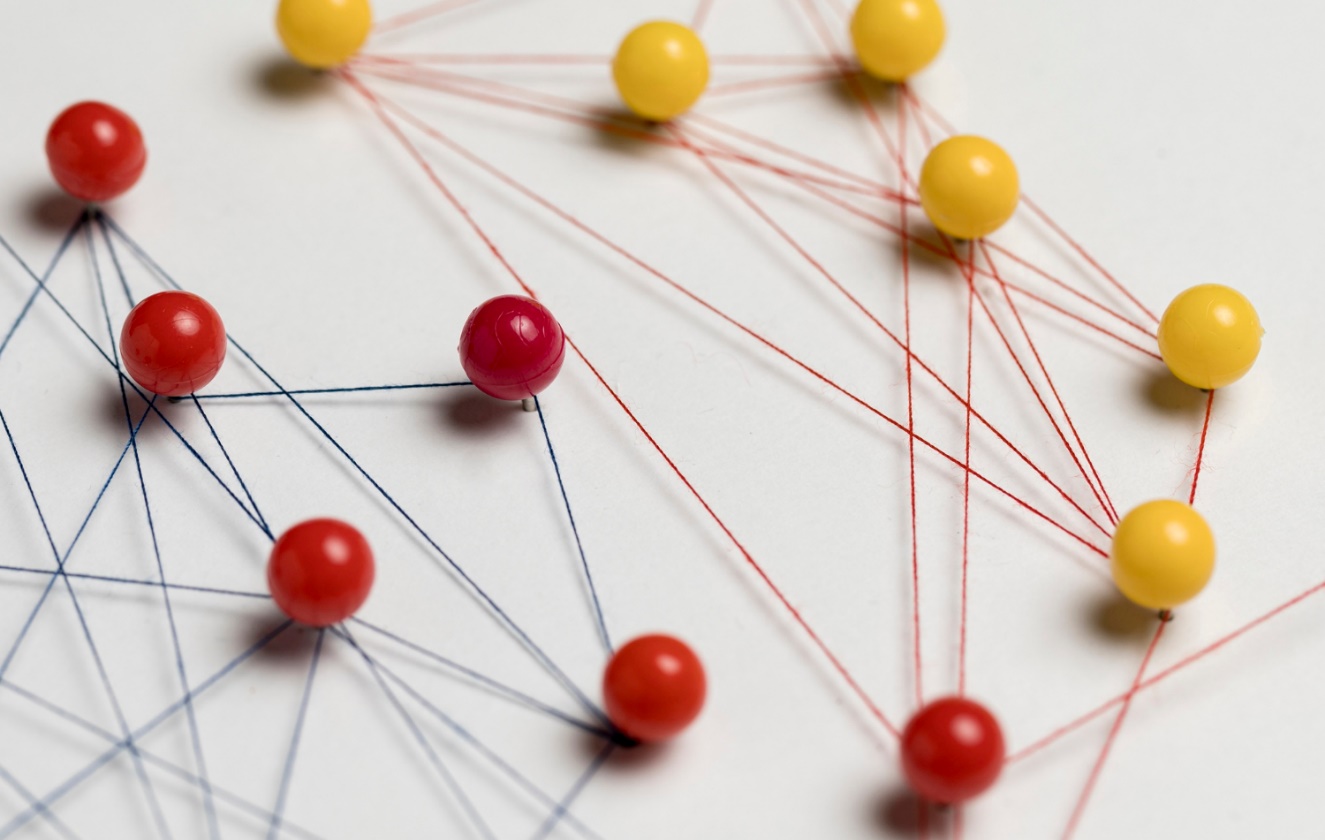
Personal brand builders engage in sophisticated relationship-building and thought leadership activities. They consistently work to expand their influence, build strategic partnerships, and establish themselves as recognized experts in their fields. Over time, these efforts can lead to significant career opportunities, business growth, and industry recognition if executed with strategic thinking and authentic communication.
This section focuses on advanced strategies for building authority, developing thought leadership, and creating sustainable personal brand growth while maintaining authenticity and professional integrity.
Typical Advanced Activities Include:
- Writing and publishing thought leadership content across multiple platforms
- Speaking at industry conferences and leading panel discussions
- Building strategic partnerships with other thought leaders and industry experts
- Mentoring others and sharing expertise through teaching or coaching
- Contributing to industry publications and participating in expert roundtables
SCREEN 7
Thought Leadership Development
To establish recognized expertise, personal brand builders must consistently demonstrate deep knowledge and unique insights.
Content Strategy for Authority Building
- Develop original research or analysis within your area of expertise
- Share contrarian or unique perspectives that challenge conventional thinking
- Create comprehensive resources (guides, frameworks, tools) that provide significant value
- Collaborate with other experts to create more impactful and credible content
Building Industry Recognition
- Contribute to respected industry publications and thought leadership platforms
- Participate in expert panels and industry discussions as a recognized voice
- Develop signature frameworks or methodologies that become associated with your expertise
- Seek speaking opportunities at increasingly prestigious events and conferences
Strategic Networking and Relationship Building
- Build relationships with journalists and media contacts in your industry
- Connect with other thought leaders and industry influencers for mutual benefit
- Develop mentoring relationships both as a mentor and mentee
- Participate in exclusive industry groups and professional organizations
Monetizing Personal Brand
Advanced personal brand builders often leverage their reputation for business opportunities.
Creating Revenue Streams
- Develop consulting or coaching services based on your expertise
- Create and sell educational products (courses, books, workshops)
- Secure speaking fees for conference presentations and corporate training
- Build affiliate partnerships with companies whose products align with your brand
Scaling Personal Brand Impact
- Build a team to help manage content creation and community engagement
- Develop systems and processes for consistent brand management
- Create multiple content formats to reach different audience segments
- Establish thought leadership in adjacent areas to expand influence
Long-term Brand Evolution
- Regularly assess and refine your personal brand strategy based on career goals
- Stay current with industry trends and evolving audience needs
- Adapt your messaging and positioning as your expertise and career evolve
- Plan for major career transitions while maintaining brand consistency
SCREEN 8
Personal Branding Pitfalls and Best Practices

Personal brand builders must navigate common challenges and avoid mistakes that can damage their professional reputation. Understanding these pitfalls and implementing best practices helps ensure long-term success and authentic brand development.
Common Personal Branding Mistakes
- Inconsistency across platforms and messaging
- Over-promotion without providing genuine value to audience
- Lack of authenticity or trying to be someone you're not
- Neglecting to engage with your audience and community
- Focusing only on self-promotion rather than building relationships
Best Practices for Sustainable Growth
- Maintain consistency in messaging, values, and visual identity across all platforms
- Focus on providing value to your audience before promoting yourself
- Be authentic and transparent about your expertise, experiences, and limitations
- Engage genuinely with your community and build real relationships
- Balance personal sharing with professional content to show your human side
Future of Personal Branding
The personal branding landscape continues to evolve with new technologies and changing audience expectations.
Emerging Trends and Technologies
- Artificial intelligence tools for content creation and audience analysis
- Video-first content strategies across all platforms
- Increased focus on authenticity and transparency
- Growing importance of personal websites and owned media
- Integration of personal branding with company branding for employees
Preparing for the Future
- Stay current with new platforms and technologies
- Develop skills in emerging content formats (video, audio, interactive content)
- Build owned media assets (email list, website, podcast) that you control
- Focus on building genuine expertise and thought leadership
- Maintain adaptability while staying true to core brand values